Aggressive Inline Skates Beginner’s Guide: Jumps, Grinds, and Techniques
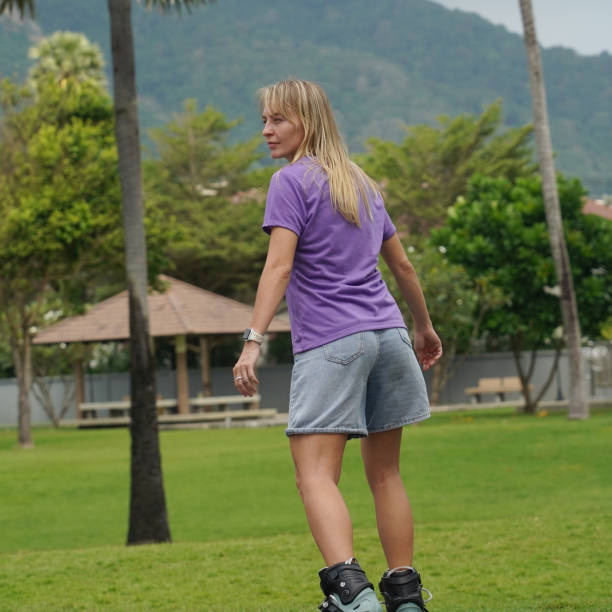
aggressive inline Skates If you love roller skating and want to try more challenging tricks, then aggressive inline skating is definitely worth a try. Honestly, this sport not only tests your skills but also allows for individuality and creativity. Whether you’re just getting started or want to improve, this guide will walk you through jumps, grinds, and all sorts of cool tricks.
aggressive inline skating? What is aggressive inline skating?
Simply put, aggressive inline skating is a form of roller skating focused on challenging tricks. Unlike everyday casual skating, this style encourages you to exploit urban obstacles—railings, steps, edges—to jump, glide, and even perform tricks. It requires not only control but also a touch of daring and boundless creativity. Yes, you might fall flat on your face sometimes, but that’s all part of progress.

Getting Started: Choose the right inline skates
1. Inline Skating
skating The first step to getting started is, of course, choosing shoes. Inline skating shoes differ from regular roller skates: they have a stiffer body and smaller wheels, providing greater support and precise control. The “soul plate” design on the sole ensures stability during grinds, preventing tipping. Incidentally, comfort levels vary greatly between brands, so it’s important to try them on and go beyond appearance or price.
2. Protective equipment
Safety always comes first. When practicing jumps and grinds, a helmet, knee pads, elbow pads, and wrist guards are essential. They may feel a bit cumbersome, but they’re far better than getting hurt. Especially when you’re just starting to try difficult moves, protective gear is your most reliable ally.
3. Site selection
safer but Beginners can practice basic moves on a flat surface, but once you want to try grinds or jumps, it’s best to go to a skate park or a venue with dedicated facilities. This is not only safer but also allows you to practice smoother moves.
Basic skills: from the ground to the obstacle
1. Jumps1.Jumps
aggressive inline skating. Jumping is one of the most introductory moves in aggressive inline skating. By bending your knees, building momentum, and then quickly extending them, you can perform a simple jump. Don’t rush; just land firmly at first. Gradually, you can move on to more challenging jumps, like 180-degree jumps. Once you develop a smooth, seamless movement, the whole jump feels truly impressive.
2. Braking
Braking technique is crucial for high-speed coasting. T-stops and heel brakes are the most common methods. When you’re first starting out, practice on flat ground to familiarize yourself with how quickly you can stop. Tip: Mastering the instantaneous feel of braking is crucial, especially before jumping or grinding; you must be able to stop quickly and securely.
3. Turning
To navigate obstacles, you need to turn flexibly. Adjusting your center of gravity and foot placement will help you achieve smooth cornering. Start by practicing around small obstacles. This will help your turns become more natural and fluid.
Getting Started with Grinds: Sliding Over Obstacles
Soul grinds are the core of aggressive inline skating and the most technically challenging moves. They involve sliding over an obstacle, using the sole plate on the sole of the shoe to make contact with the obstacle. Here are some common grind techniques:
1. Soul Grind
one: This is a common technique for beginners. Start by standing up, placing one foot on the obstacle and balancing on the other. Gradually, you can work your way up to a Soul Grind while gliding—a steady, steady one; don’t rush it.
2. Frontside Grind
frontside grind The frontside grind requires you to maintain stability on the obstacle. Practice your balance on flat ground first, then transition to the obstacle. Remember, stability is key, and it’s okay to go a little slow when you’re first starting out.
3. Royale Grind
; otherwise, this is an advanced technique that requires the sole plate of one foot to make contact with the obstacle, while the inside of the other foot also needs to coordinate. The move is a bit difficult, so it’s recommended to try it after mastering the basic grind; otherwise, you may end up flipping over.

Platform jumping techniques: from ground to air
aggressive inline skating. The platform jump is the most exciting and challenging part of aggressive inline skating. It tests not only your skills but also your courage and body control. Common techniques include:
1. Basic Jump
The most basic jumping action is to start from a low step and gradually increase the height. Pay attention to maintaining balance when jumping and ensure a safe landing—the feeling of landing steadily is more enjoyable than any cool tricks.
2. Grab Tricks
Grab your shoes while jumping, such as with a mute grab or Indy grab. Beginners can practice grabbing shoes in midair first, then add a twist. Coordination may feel awkward at first, but practice a few times to get the hang of it.
3. Spin Tricks
Spin tricks involve rotating your body mid-jump, such as a 360 or 540. Practicing these on the ground first and then transitioning into the air is safer and easier to master.
Training methods to improve skills
1. Break down the exercises
Break down complex movements and practice them step by step until you can complete them smoothly. Don’t underestimate this method; it can significantly improve the accuracy of your movements and make your practice easier.
2. Video Analysis
Record your own skating video and compare it to the expert’s movements to see where the gap is. Small details often determine whether the movement is smooth or not, so this step is crucial.
3. Participate in courses and competitions
You can quickly improve your skills by taking classes, listening to a coach, or participating in competitions. Competitions not only test yourself but also inspire motivation and make your practice more targeted.
Conclusion
Aggressive Inline Skate is a sport full of creativity and challenges. Through continuous practice and exploration, you’ll master various techniques and enjoy the joy and sense of accomplishment of skating. Remember, safety is always the top priority. Choosing the right equipment and venue and gradually improving your skills are the key to continuous progress in this sport. Don’t forget, your inline skates are more than just tools; they are partners in expressing your personality and unleashing your passion.