How to skate long distances without getting tired using Inline Skates? A complete guide to techniques and postures
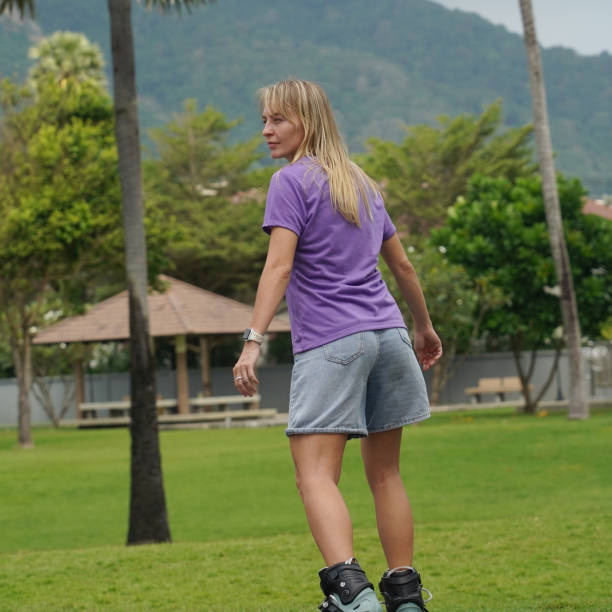
With the increasing popularity of urban leisure sports and short-distance commuting, more and more people are choosing Inline Skates as their daily exercise or mode of transportation.
Long-distance skating demands higher levels of physical strength, skill, and equipment compared to short-distance skating.
Many Inline Skates riders experience leg pain, foot pain, and back fatigue when attempting routes exceeding 5 kilometers or even 10 kilometers. This often reduces their enjoyment.
Long-distance skating without fatigue is not a pipe dream. Mastering the correct posture, footwork techniques, center of gravity control, breathing rhythm, and equipment selection will allow you to easily enjoy every stretch of your skating journey.
Table of Contents
I. The core principle of long-distance inline skating without fatigue
During long-distance inline skating, physical fatigue mainly comes from the following aspects:
Uneven Force Application
Many people rely on their feet or calves to generate power when skating. They often neglect their thighs, glutes, and core muscles, leading to premature fatigue.
Incorrect Posture
Standing too upright, leaning too far forward, stiff knees, or a tight back can all increase energy expenditure.
Breathing and Rhythm Out of Sync
Inline skating rhythms that don’t match breathing can easily lead to insufficient oxygen supply and premature leg fatigue.
Equipment Issues
Improperly fitted inline skates, wheels not stiff enough for the terrain, or inadequate insoles can all make skating more difficult.
The key to long-distance skating without fatigue is balanced power exertion, scientific posture, appropriate equipment, and smooth breathing.

II. Posture Adjustment: Maintaining Stability and Effortless Effort
Correct posture is the foundation for long-distance gliding. Even with the best equipment, incorrect posture will make gliding very tiring.
1. Slightly bend your knees to lower your center of gravity.
- A slight bend in the knees helps absorb impact from the ground and reduces stress on the knees and lower back.
- The squatting depth should not be too large; just keep it comfortable.
- Lean slightly forward, keeping weight on the middle of your feet, but not beyond your toes.
2. Relax your upper body and let your shoulders relax.
- Relax your shoulders, avoid shrugging, and let your arms swing naturally for balance.
- chain fromLean your back slightly forward, coordinating with your bent knees to create an energy transmission chain, from your legs to your core and then to your upper body.
3. Head and line of sight
- Keep your gaze level or slightly forward, and observe the road conditions in advance.
- Avoid looking down at your feet; it saves effort and reduces the risk of falling.
III. Timing and Center of Gravity Control: Reducing Localized Fatigue
In long-distance inline skating, the foot placement and center of gravity control determine the force distribution on the legs, feet, and back.
1. Primarily use the midfoot for foot placement.
- Stepping on the ball of your foot makes it easy to accelerate quickly, but it can tire your feet over a long period.
- Stepping on the heel makes it easy to become unstable while gliding.
- Applying pressure with the midfoot distributes force evenly and reduces localized fatigue.
2. Alternate weight-bearing on both legs.
- With each glide, let your weight naturally shift between your left and right legs to avoid overusing the muscles on one side.
- When turning or going around obstacles, adjust your center of gravity by using your waist and hips, rather than relying solely on your ankles.
3. Gliding rhythm synchronized with center of gravity.
- Gently push off the ground, allowing your knees to absorb the impact.
- Weight is evenly distributed with each stride, making each step less strenuous.
- Avoid “pushing hard” to prevent increased energy consumption.

IV. Breathing and Rhythm: Maintaining Physical Endurance
Long-distance gliding is not only a matter of leg strength but also of oxygen supply.
1. Deep breathing in rhythm
- Inhale through your nose and exhale through your mouth, taking deep, long breaths.
- Coordinate the pushing and sliding rhythm with your breathing; for example, inhale every two steps and exhale every two steps.
- Maintain a steady pace to ensure a stable oxygen supply to the muscles.
2. Control your speed and avoid explosive force.
- Long-distance gliding is not sprinting; going too fast can easily lead to rapid muscle fatigue.
- Maintain a steady speed and keep your body exerting force within a comfortable range.
3. Combining short rests with gliding
- You can briefly slow down or glide slightly during Inline Skates to relax your legs and feet.
- Take short breaks on flat roads, downhill slopes, or wide areas to extend your overall gliding endurance.
V. Inline Skates Equipment Selection and Adjustment: Making Skating Easier
1. Wheel selection
- For long-distance skating, Inline Skates recommends wheels with a slightly larger diameter and moderate stiffness (such as 84–90mm, 85A–90A) to balance speed and comfort.
- Hard wheels are suitable for smooth roads, while soft wheels are better at absorbing shocks on uneven surfaces.
2. Inner liner and insole
- The inner liner should conform to the foot’s shape to avoid friction and pressure.
- Arch support insoles distribute pressure, preventing fatigue during long sessions.
3. Strapping and securing
- The forefoot area should be stable but not constricting, while the ankle area provides the main support.
- If numbness or tingling occurs during gliding, adjustments should be made accordingly.
4. Protective gear and accessories
- Knee pads, elbow pads, and wrist guards boost confidence and prevent tense postures caused by insufficient protection.
- Gloves and helmets also contribute to psychological comfort, indirectly affecting long-distance gliding endurance.

VI. Inline Skates Practical Techniques: Energy-Saving Methods for Long-Distance Skating
1. Use small steps to maintain a consistent rhythm.
- Although long strides may seem fast, they consume a lot of energy.
- Short strides and continuous gliding make leg muscles more durable.
2. Turning and obstacle avoidance
- Observe the route in advance, gently rotate your hips and waist, and keep your weight on the middle of your feet.
- Avoid sudden braking or sharp turns to reduce the instantaneous load on muscles.
3. Uphill and downhill
- Uphill: lean forward and use your thighs and buttocks evenly.
- Downhill: shift weight slightly backward, absorb impact with knees, and lightly touch wheels with the balls of your feet.
4. Change the gliding method regularly.
- You can add brief crossover steps, light jumps, or small arm swings during gliding to adjust muscle use and prevent fatigue from concentrating on the same area.
VII. Inline Skates Training Suggestions and Gradual Improvement
1. Increase gliding distance in stages
- Beginners should start with 2–3 kilometers and gradually increase to 5–10 kilometers as they become more proficient.
- Avoid attempting long distances at once, as this can easily lead to localized muscle fatigue.
2. Strengthen leg and core muscles
- Squats, glute bridges, and core training can be performed during non-gliding periods.
- Strengthening muscle groups reduces the burden of gliding and improves long-distance endurance.
3. Record gliding data
- Use a gliding app or watch to record cadence, gliding distance, and speed.
- Analyze the data and make targeted adjustments to posture, center of gravity, and rhythm.
4. Maintain gliding habits
- Maintain 2–3 medium-to-long-distance gliding sessions per week to develop muscle memory.
- Gradually adapt to long-distance loads so that your body can easily handle longer routes.

FAQ: Frequently Asked Questions about Not Getting Tired While Skiing Long Distances
- Q1: Can beginners skate more than 5 kilometers on Inline Skates?
A: Yes, but it is recommended to start practicing from 2-3 kilometers and gradually increase the distance and speed. - Q2: What should I do if my feet or calves get tired easily while gliding?
A: Check your insoles and foot placement, keep the weight on the midfoot, and use small steps to glide. - Q3: Do I need special wheels for long-distance skating?
A: Inline Skates with 84–90mm wheels (85A–90A stiffness) are suitable for smooth roads, balancing speed and comfort. - Q4: How to avoid lower back fatigue during long-distance skating?
A: Keep your knees slightly bent, upper body relaxed, center of gravity upright or slightly forward, and adjust your skating posture as needed.
Conclusion
Mastering the correct posture, footwork and center of gravity control, breathing rhythm, and equipment adjustments are the core elements for achieving long-distance Inline Skates without fatigue.
When you learn to allocate your strength scientifically, use your muscle groups in a balanced way, and coordinate with your breathing and rhythm, long-distance inline skating will no longer be a burden but a free and smooth exercise experience.
Whether it’s city commuting, weekend park relaxation, or long-distance skiing adventures, mastering these skills will make every ride easier and more comfortable, allowing you to truly enjoy the speed and freedom that Inline Skates offer.
Are you still worried about tired legs and sore feet after skating for a long time? With our Inline Skates , master skating skills and easily enjoy the freedom and smoothness of long-distance skating!