At what age can children start playing Inline Skates? A complete guide for parents.
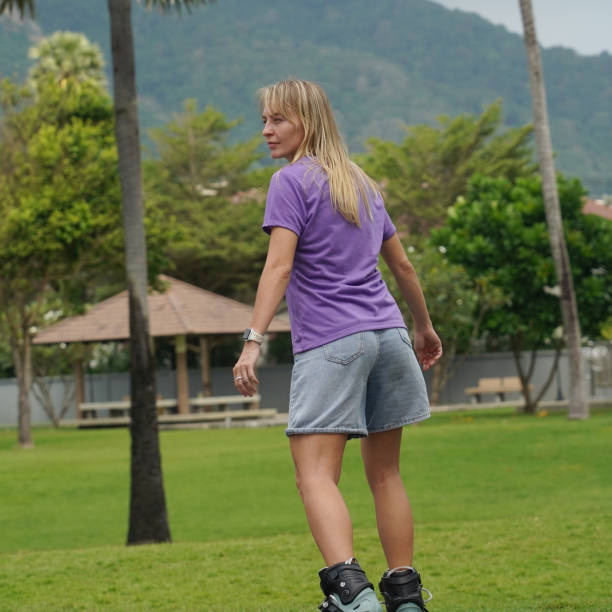
is, atFor many parents, watching their children glide freely in parks or on skate tracks is a joy, and they hope their children can get involved in sports from a young age. However, a common question is: at what age can children start playing inline skates? This article provides parents with a complete guide, including suitable age, equipment selection, safety measures, and training methods, to help children start their inline skating journey safely and happily.
Why can children be exposed to Inline Skates at a young age?
entertainment butInline skates are not only a form of entertainment, but also offer multiple benefits for physical exercise:
- Balance and core training:
Skating requires the body to maintain a stable center of gravity, which helps children develop core muscles and balance. - endurance andCardiopulmonary and endurance training:
Continuous gliding can improve cardiopulmonary function and endurance, and is more comprehensive than running and jumping exercises alone. - Improving coordination and agility
requires children to coordinate their hands and feet and react simultaneously with their eyes and brain during gliding. Long-term practice can improve overall motor coordination. - Developing self-confidence and social skills
: Children can enhance their self-confidence and social skills by skating outdoors or practicing with peers.
With proper planning and training, inline skates are not only safe but can also help children develop a love for sports from a young age.

Suitable age for children to play with Inline Skates
Children can typically begin balance training from 3–4 years old, but it is generally recommended to start wearing inline skates formally from 5–6 years old. The reasons are as follows:
- Physical development: Children aged 5–6 have relatively mature lower limb strength and core muscles, which can support gliding movements.
- Cognitive ability: Children at this age can understand basic rules and safety awareness, such as stopping and avoiding obstacles.
- Coordination ability: Learning to roller skate requires hand-foot coordination and visual judgment. Most children aged 5-6 have basic coordination ability.
It’s important to note that every child develops at a different pace, and parents should consider their child’s physical condition and interests, rather than simply their age. For children with exceptional balance or athletic talent, even at age 4, they can try roller skating with parental guidance; conversely, if a child is not yet stable enough, it’s advisable to delay until age 6 before formally starting roller skating training.
Inline Skates Equipment Selection Guide
Children’s safety is the primary consideration, and equipment selection must be scientific and reasonable:
1. Inline Skates Size and Wheels
- Size: Children’s roller skates should have 1–1.5 cm of space to avoid being too tight or too loose.
- Wheels: Small diameter (64–72mm) and medium stiffness (78A–80A) wheels are suitable for beginners, as they are both stable and easy to control.
2. Protective gear
- Helmet: Essential. Choose a style that meets child safety standards.
- Knee pads, elbow pads, and wrist guards reduce injuries from falls and are especially essential in the early stages of learning.
3. Clothing
- Lightweight, breathable, and soft sportswear to prevent trouser legs from snagging on the wheels.
- In the initial stage, long sleeves and pants can be worn to provide extra protection for the calves and arms.
4. Training aids
- Handrails or balance bars: suitable for beginners, helping children build a sense of security.
- Ski slopes/park flat areas: Avoid ramps, traffic, or complex obstacles.
Children’s inline skates training route map
Parents can develop a gradual training plan for their children:
1. Balance and posture exercises
- Put on your roller skates, stand on flat ground first, and slightly bend your knees to maintain your center of gravity.
- Children can practice swaying slightly forward, backward, left, and right while holding onto a wall or handrail to develop body awareness and center of gravity control.
2. Basic gliding
- Teach children to gently push off with one foot and glide, letting the other foot glide naturally after each push.
- Initially control the distance at 5–10 meters, and gradually increase the gliding distance.
- Parents can accompany their children or guide them from the front and back to enhance their sense of security.
3. Braking training
- Teach children T-brake or wheel-stop techniques to ensure they can stop safely when encountering obstacles.
- Initially, practice on grass or soft surfaces to reduce the risk of falling.
4. Turning and slalom
- Once children have mastered basic gliding, simple turning drills can be introduced.
- Set up small stakes or obstacles for children to practice navigating around, improving their coordination and flexibility.

Inline skates training frequency and safety tips
Training frequency
- Beginner stage: 2–3 times a week, 15–20 minutes each time.
- Proficiency stage: Gradually increase to 3-4 times per week, about 30 minutes each time.
Safety Precautions
- Warm up for 5 minutes before each training session and stretch for 5–10 minutes after training.
- Avoid practicing in crowded or congested areas.
- Keep the intensity low initially to avoid overexertion.
- Encourage children to wear full protective gear and cultivate safety habits.
Frequently Asked Questions about Inline Skates
Q1: Will my child get seriously injured if they fall?
A: Wearing protective gear and choosing a flat surface can significantly reduce the risk of injury. Falling is normal in the early stages of school, so there’s no need to worry excessively.
Q2: At what age can children participate in professional inline skate courses?
A: Usually, children aged 6 and above can try children’s inline skate training classes. The courses are divided into classes according to age and skill level, making them more professional.
Q3: Do parents need to accompany their children?
A: It is recommended to accompany children throughout the initial learning stage to give them a sense of security and to guide them on movements and stopping techniques.
Parental guidance and psychological support
- Encourage, don’t rush: Children learn at different speeds and with different skills, so don’t compare them to other children.
- Set small goals, such as gliding 10 meters today and increasing to 15 meters next time, to give children a sense of accomplishment.
- Interactive activities: Parents can glide with their children to increase fun and parent-child interaction.
- Document growth: Film videos or record training progress so that children can see their progress.

Conclusion
There’s no fixed answer to the question of when children can start inline skating, but 5-6 years old is generally considered an ideal starting age. The key is to choose the right equipment, train gradually, prioritize safety, and provide parental support and encouragement. Through beginner-friendly route maps, children can not only learn to skate but also improve their balance, coordination, core strength, and confidence.
Inline skates are not just a sport but a fun, free, and healthy lifestyle. With parental guidance, children can practice inline skating in a safe environment, gaining joy and growth, and laying a solid foundation for their future love of sports.