Should I buy expensive Inline Skates for my child, or is an entry-level model sufficient?
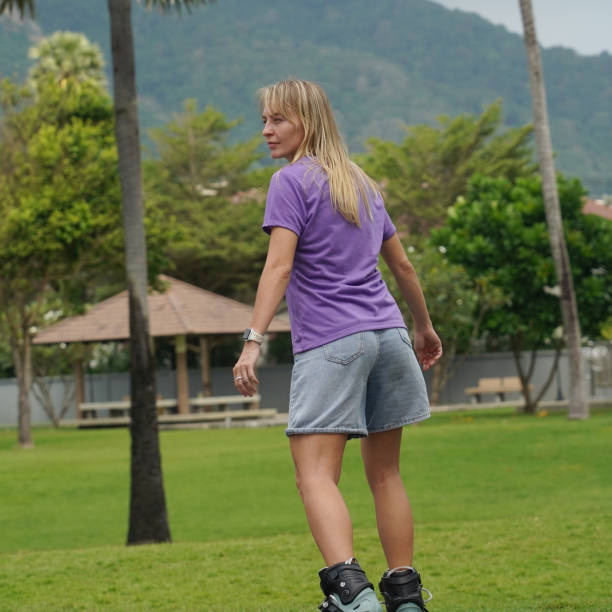
If you’re planning to buy your child a pair of inline skates, you probably already have two questions in mind:
If a child is just starting out, is it necessary to buy an expensive one?
Or is an introductory model sufficient?
This question has indeed troubled many parents. Frankly, there’s no absolutely “perfect answer,” but we can use a few criteria to help you buy roller skates that are both safe and fun for your child. This article will combine mainstream market recommendations, the characteristics of products at different price points, your child’s developmental stage, and frequency of use to help you clarify your thinking.
Table of Contents
First, understand the common scenarios in which children play on inline skates.
There are many different scenarios in which children play with inline skates:
- Take a walk in the park on the weekend
- After-school activities or school sports
- Practice balancing in the open space of the residential area
- Occasionally attend roller skating classes or hobby classes
ground forFor children, roller skates are not just a sporting tool but also a small training ground: developing balance, coordination, patience, and courage. Skating can be fun and cultivate perseverance, but whether the skates fit properly directly affects the experience.
The price of children’s inline skates on the market can be roughly divided into three ranges:
- Entry-level: $25–$40
- Mid-range: $50–$90
- Premium option: $90+
wheels,The price difference is not just due to different brands but more so to differences in materials, structure, wheels and bearings.

II. Entry-level inline skates: sufficient but limited.
Entry-level models are usually inexpensive and suitable for trying out or using occasionally.
advantage
- Affordable price: Less psychological burden for parents
- Easy to learn: The simple structure makes it easy for children to slide.
- Design appeal: Many feature illuminated wheels or colorful elements.
- Sufficient for short-term use: enough for occasional play and balance practice.
insufficient
- Durability is average: the materials and wheels are of low quality, and they wear out quickly.
- Limited comfort: support and lining may not be good enough.
- Limited to advanced levels: Not suitable for long-term practice or high-intensity skating.
In short: the entry-level model is suitable for first-timers or occasional fun, but its durability and comfort are limited.
III. More Expensive Mid-to-High-End Inline Skates: Why They’re Worth Considering
The difference becomes more pronounced when the budget rises to the mid-range or high-end:
Materials and performance
- PU wheels are wear-resistant and roll smoothly.
- 7ABEC 5 and ABEC 7 precision bearings ensure smooth sliding.
- Good shoe support enhances comfort.
Adjustable design
Many high-end children’s inline skates offer adjustable shoe sizes, allowing them to be used as the child grows, reducing the hassle of frequently changing shoes.
,Some parents worry that the adjustable design will increase the weight of inline skates , but in actual experience, comfort and durability are significantly improved, and children are more willing to skate for longer periods of time.
Overall, mid-to-high-end models are suitable for children who practice frequently, want to use them for a long time, or want to improve their skating experience.
IV. Comparison between entry-level and high-end models
| project | Entry-level | Mid-to-high-end models |
| price | ⭐⭐⭐ | ⭐⭐ |
| Durable material | ⭐⭐ | ⭐⭐⭐⭐ |
| Smooth gliding | ⭐⭐ | ⭐⭐⭐ |
| Support and comfort | ⭐⭐ | ⭐⭐⭐⭐ |
| Suitable for advanced practice | ⭐ | ⭐⭐⭐ |
In summary, the entry-level model allows children to “test the waters,” while the high-end model provides a smoother, safer, and more durable gliding experience.

V. When can I avoid spending a lot of money?
- The child only plays occasionally
- He hasn’t explicitly expressed his liking for gliding yet.
- Too young, short attention span
- I want to test the waters first and determine my interest.
In this case, the beginner model is perfectly adequate. It can meet basic balance practice needs and is also enough for children to experience the joy of gliding.
VI. When is it worthwhile to invest in high-end models?
- The child can already glide steadily.
- Frequent weekly practice
- Long-term participation in gliding activities
- Parents are more concerned about durability and safety
- Hope to reduce the cost of replacing wheels or bearings
Simply put, expensive equipment doesn’t necessarily mean kids will learn faster, but it can significantly improve safety, comfort, and durability, making gliding smoother and longer.
VII. A Small Guide for Parents’ Decision-Making
Assess the child’s needs
- Want to try it? → The beginner model is fine.
- For those who enjoy playing frequently, mid-to-high-end models are worth considering.
Determine the budget
- <$60 → Entry-level
- $60–$120 → Mid-range
- $120+ → Premium model
Prioritizing safety and comfort
- Strong support and proper shoe size
- It would be even better if it came with brake pads and protective gear.
- A good fit and comfort are more important than price.
FAQ: Should I buy expensive Inline Skates for my child, or is an entry-level model sufficient?
Q1: I’m unsure if my child will enjoy gliding. Should I buy an expensive or cheap one?
Buy an entry-level model first to test the waters, and then upgrade if they show interest.
Q2: Will expensive inline skates help kids learn faster?
Not necessarily. Equipment mainly enhances the experience; practice frequency and interest are the key factors.
Q3: Is more expensive always safer?
More expensive materials and support are better, but safety depends more on protective gear and gradual training.
Q4: How long do children’s inline skates typically last?
It depends on growth rate and frequency of use. Adjustable shoe sizes can extend their lifespan.
Q5: Are there any compromise options?
Mid-range models are usually cost-effective, durable, and comfortable, making them the choice for most parents.

Summarize
- Beginner level: Suitable for first-timers and occasional fun.
- Mid-to-high-end models: suitable for frequent practice and long-term use.
- Truly high-end professional model: suitable for joining a ski club or during training.
In short: the most expensive isn’t necessarily the best, but the most suitable one is the one that best meets the child’s needs and gliding goals.
Choosing a pair of inline skates for your child is like choosing a pair of comfortable athletic shoes—safe and exciting for them.