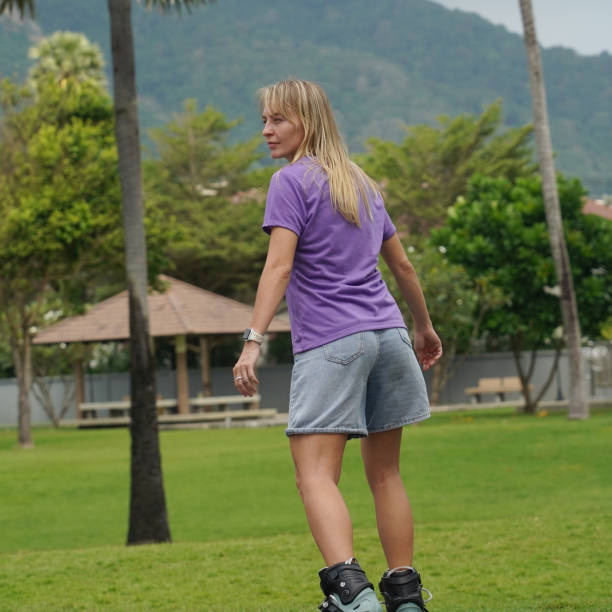
Put on inline skates and glide into the city streets; you’ll find that commuting is no longer just a tedious task. The wheels roll gently beneath your feet, and every push brings a sense of freedom—it’s not only a green mode of transportation but also a transformation in lifestyle.
In today’s world of increasingly congested cities and severe air pollution, more and more people are seeking sustainable modes of transportation. Inline skating combines health, efficiency, and environmental protection, making commuting fun and full of possibilities.
Table of Contents
1. Why choose Inline Skates as a green travel option?
1. Zero emissions, low-carbon lifestyle
Replacing cars with roller skates produces almost no carbon emissions. Compared to private cars and motorcycles, inline skates are a typical low-carbon mode of transportation—they consume no fuel and emit no exhaust fumes, perfectly aligning with the concept of green urban travel.
In addition, many cities are building slow-traffic systems, including greenways and non-motorized vehicle lanes, which provide safe gliding space for roller skates. It can be said that commuting by roller skates is both environmentally friendly and allows users to enjoy the convenience of urban slow-traffic networks.
2. Filling the “last mile” gap
The “last mile” problem of public transportation has long plagued commuters. Even with convenient subways or buses, walking or transferring from the station to the office still requires time. Inline skating, however, can solve this problem perfectly—it’s flexible, efficient, faster than walking, and lighter than cycling.
Especially when connecting subway stations, bus stops, and workplaces, the rollers can quickly traverse this distance, making the commuting experience smoother.
3. Health Bonus
Commuting with inline skates is more than just transportation; it’s a low-impact, full-body workout. Skating strengthens leg muscles, improves core stability, and enhances cardiovascular health. Compared to running, skating puts far less stress on joints, making it suitable for long-term commitment.
Combining commuting and fitness is a win-win situation: you can maintain your figure and physical fitness while commuting to and from getting off work.

II. The Real Experience of Urban Gliding
Many urban skaters shared their daily experiences:
Efficiency and Fun:
“It only takes 20 minutes to skate to the office, which is much faster than taking the subway, and the feeling of inline skates is really great.”
Equipment Tips:
“I bring a helmet, knee pads, and a change of clothes to my commute. I feel refreshed after skiing.”
Familiarity with the route is very important:
“The city roads are uneven and full of potholes, but once you’re familiar with the route, you can glide smoothly without panicking.”
These shared experiences show that commuting by roller can be challenging, but it can also be fun and fulfilling.
III. Urban Mobility Advantages of Inline Skates
1. Conserving resources and protecting the environment
- The pulley does not consume fuel and does not emit exhaust gases.
- Reducing car use can help alleviate urban traffic congestion.
- Compared to bicycles, rollers are more flexible and take up less space.
2. Flexible and efficient
- mile.”Suitable for short to medium-distance commutes of 2–5 kilometers, especially suitable for the “last mile”.
- You can choose greenways, slow lanes, or wide sidewalks to avoid congestion.
- You can change routes at any time, increasing your travel freedom.
3. Health Benefits
- muscles andGliding can exercise the lower limbs and core muscles, and improve endurance and balance.
- Integrate it with your commute to make daily exercise natural and sustainable.
- Long-term adherence can improve overall physical fitness and cardiopulmonary function.
IV. Challenges and Solutions for Urban Inline Skates
1. Inadequate infrastructure
Not all city roads are suitable for skating. Some streets are bumpy or narrow, so you need to choose a suitable route for your rollerblading commute. Before planning your route, it’s a good idea to scout out some spots and test the waters to understand the road conditions and potential risks.
2. Safety and Traffic Rules
- pads, andEssential protective gear: helmet, knee pads, wrist guards.
- Pay attention to traffic rules and maintain a safe distance from pedestrians and vehicles.
- When gliding at night, reflective equipment must be worn to ensure visibility.
3. Commuting comfort
- You may sweat while gliding, so it’s a good idea to bring spare clothes.
- Backpacks or crossbody bags should be sturdy and easy to carry everyday items.
- Be extra careful on rainy days or wet, slippery surfaces to avoid slipping.
4. Social acceptance
In some cities, commuting with inline skates is not yet widespread, and it requires adherence to slow-moving rules and social acceptance.
V. How to integrate Inline Skates into urban commuting
Route planning
- Choose flat and safe greenways or pedestrian paths.
- Avoid areas with heavy traffic and prioritize pedestrian and bicycle corridors.
Prepare equipment
- Helmets, knee pads, and wrist guards are essential.
- Equipped with a sturdy backpack or bag for easy carrying of office supplies.
- Consider having spare clothes so you can change quickly after gliding.
Safety and Etiquette
- Maintain an appropriate distance from pedestrians and cyclists.
- Obey traffic signals and pay attention to intersection safety.
Combined with public transportation
- Glide to the subway or bus station and then transfer to public transportation.
- Flexible combinations improve commuting efficiency.
Establish habits
- Glide 2–3 times a week to gradually form a commuting habit.
- Record routes, times, and experiences to optimize your gliding plans.
VI. User Experience and Inspiration
The experience of commuter skaters is worth referencing:
- “Inline skates make commuting much easier than squeezing onto the subway, and you get exercise every day.”
- “Although I was sweating, I felt particularly energetic after changing clothes in the office.”
- “Once you get familiar with the route, the roller skates are even more flexible than a bicycle, and the sense of freedom is amazing.”
transportation butThese stories illustrate that inline skates are not just a means of transportation, but also an urban lifestyle.

VII. Summary
- Environmentally friendly and low-carbon: zero emissions, reducing urban traffic pressure.
- -distanceFlexible and efficient: Suitable for short- to medium distance commutes, solving the last-mile problem.
- A win-win situation for health: Commuting and exercise combined make life more vibrant.
- Challenges are manageable: road conditions, weather, and safety issues can be addressed through equipment and planning.
- Lifestyle: Commuting with inline skates brings a sense of freedom, accomplishment, and enjoyment.
Put on your inline skates and feel the rhythm and freedom of the city. You might find that commuting is no longer stressful but an enjoyment—a healthy, green, and vibrant urban journey.