How to skate inline skates in different weather conditions (wet, cold)
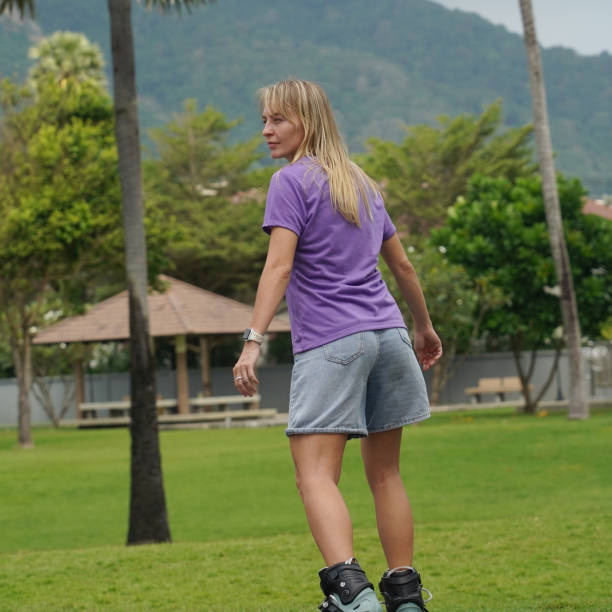
Riding inline skates in wet or cold weather can be both thrilling and a bit challenging. Wet surfaces can make wheels slip, and cold winds can make fingers stiff, but with proper preparation, both conditions offer unique riding experiences. Many skaters may initially be concerned: Will it be dangerous to skate in the rain? Will it be uncomfortable to skate in the cold? However, by keeping a few key points in mind, inline skates can be safe and enjoyable in all weather conditions.
The joy of inline skates lies in the sense of freedom, especially when you gently push them along a wet road after a rainstorm. The feeling of the wheels slipping slightly and your body adjusting subtly is completely immersive. However, to fully enjoy this thrill, safety equipment and skating skills are essential. Below, I’ve compiled practical tips for wet and cold weather conditions to help you skate smoothly in various conditions.
1. Sliding skills in wet weather
Wet weather can be a real challenge for inline skaters. Wet surfaces, standing water, and even light rain can reduce your wheels’ grip. But don’t worry, with a few tips, you can still skate safely and smoothly.
1. Choose the right wheels and bearings
On slippery surfaces, wheel hardness and material directly impact gliding stability. Generally speaking, wheels with higher hardness (e.g., 88A or harder) offer better grip on wet surfaces and are less likely to slip. Bearings shouldn’t be overlooked either: inline skates with stainless steel or ceramic bearings are waterproof and rust-resistant in wet conditions, withstanding repeated use. This is especially important for beginners, as slippery surfaces can easily lead to unexpected situations, and wheels with good grip can significantly reduce the risk of slipping.
2. Adjust the gliding method
When skating on wet surfaces, sudden braking or turns are a big no-no. Taking smaller strides and keeping your center of gravity low will make your inline skates more stable. Practicing emergency braking techniques, such as T-brakes and ramp brakes, is essential, allowing you to stop quickly on slippery surfaces. You might feel a little nervous at first, but with practice, you’ll find the feeling of control is addictive.
3. Wear protective gear
The risk of falling in wet weather is much higher than in dry conditions, so it’s crucial to wear a complete set of equipment: a helmet, knee pads, elbow pads, and wrist guards. While some may find this cumbersome, those who’ve personally experienced a fall will say that wearing one more piece of gear means a greater sense of security. This not only protects you but also gives you more confidence and allows you to enjoy inline skates even more.
4. Pay attention to environmental factors
Visibility often decreases on rainy or recently rained roads. Wearing reflective clothing or brightly colored strips on your shoes and wrists can help you become more visible and feel safer. A headlamp is also a very practical option if the weather is overcast. This way, your inline skates experience will be safer and more comfortable, even on rainy days.
2. Sliding Techniques in Cold Weather
While inline skates can feel stiff and your breathing quickens in cold weather, they also offer a uniquely exhilarating feeling. Winter mornings offer crisp air, clean roads, and a lack of traffic fumes, creating a sense of freedom. However, the cold also means you need to be more mindful of your warmth and equipment maintenance.
1. Keeping warm is key
When skating inline skates, your body temperature can drop rapidly if you’re not wearing warm enough clothing. Layering is the most reliable method: a breathable base layer, an insulating midlayer, and a windproof outer layer. Gloves, scarves, and hats are also essential, as they can cause your fingers and ears to freeze, significantly reducing your skating experience. Many skaters make the mistake of overdressing, restricting their mobility. Remember, the key is to balance movement and stillness: staying warm while maintaining flexibility.
2. Sliding equipment maintenance
Cold weather can cause wheels to stiffen and bearings to malfunction, especially in low temperatures or on ice and snow. Check the wheels and bearings before a ride, and clean and dry them afterward to ensure your inline skates maintain their performance. Otherwise, you could suffer a nasty crash in sub-zero temperatures due to wheel slippage or bearing seizure.
3. Adjust the time and location of the taxi
In cold weather, it’s recommended to skate during the day, avoiding the early morning and evening temperatures. Choosing sunny, light-winded roads will help maximize comfort. Avoid icy or snowy roads; flat, dry surfaces provide a smoother and safer ride.
4. Pay attention to your body’s reactions
Skating in cold weather can make you more fatigued, and cold hands and feet can cause you to ignore your body’s warnings. If you feel unwell or cold, stop and rest immediately, drink a warm drink, and let your body warm up before continuing. The joy of skating lies in the process, and if you get injured because you ignore your body’s signals, the reward is worth it.

III. Comprehensive Recommendations
- Check the weather ahead of time: Check the forecast before heading out to find out the temperature, humidity, and whether there will be rain or snow. Prepare protective gear and a plan for your inline skates to make them go more smoothly.
- Choose a suitable route: Avoid puddles, ice, or snow, and choose flat, dry roads. It’s not recommended to attempt complex routes in wet or cold weather.
- Control your skating speed: In rainy or cold weather, don’t chase speed; go slower and steadier for safety. Remember, skating slowly can be just as fun.
- Take a break: After skating for a while, stop and stretch your body to recover your strength so that you can enjoy inline skates for longer.
Inline skating is a free and exhilarating sport. Wet conditions test your control and adaptability, while cold weather tests your warmth and endurance. With proper preparation, technique, and safety, you can still enjoy inline skates even when the weather isn’t ideal.
A quick tip: If you frequently skate in varying weather conditions, investing in a pair of inline skate wheels designed for wet or winter conditions is definitely worth it. Not only will they improve traction, but they’ll also extend the life of your skates, allowing you to skate smoothly in rain or cold.