Correct timing and weight control in Inline Skates: A complete guide to city skating
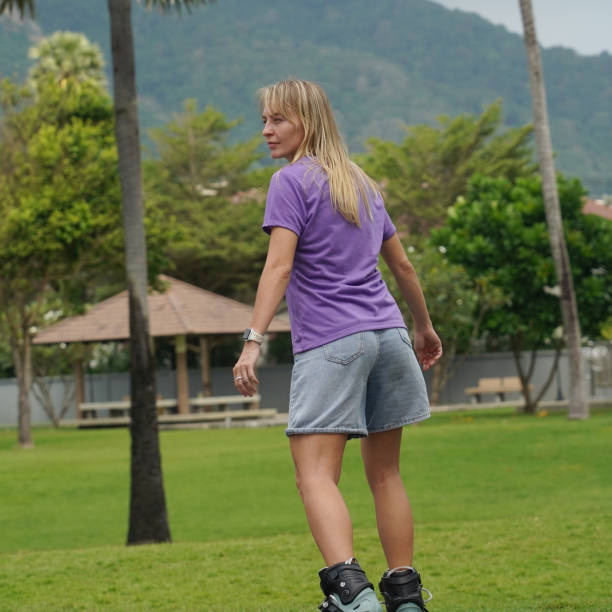
Inline skates are becoming increasingly popular in urban sports and leisure activities, offering a free and smooth gliding experience whether on park tracks, city streets, or for short commutes.
However, many people often encounter two problems during actual skating: inaccurate footwork leading to unstable speed, and unstable center of gravity making them prone to falling.
Mastering proper foot placement and weight control not only improves skating efficiency but also significantly reduces the risk of injury, making every ride smoother and safer.
This article will comprehensively analyze foot placement and weight control methods in Inline Skates, covering basic principles, skill training, and practical applications.
Table of Contents
I. Basic Knowledge of Inline Skates
Foot placement refers to the specific positions and pressure distribution of the feet when skating, and is a key factor in ensuring stable and smooth skating.
1. What is site scouting?
The point of contact between the wheels and the ground refers not only to the position of the wheels and the ground, but also to the distribution of weight on the feet:
- Forefoot striking: Suitable for acceleration and short-distance bursts, but prone to foot fatigue.
- Midfoot striking: Suitable for long-distance gliding, with a stable center of gravity and slightly bent knees to maintain flexibility.
- Heel tapping: Primarily used for braking and adjusting posture, rarely used continuously during gliding.
Mastering the use of different foot placements in different scenarios can make gliding movements more natural and reduce fatigue and pain.
2. The relationship between the stepping points and the wheel arrangement
Inline skates typically have wheels arranged in a straight line, and variations in wheel size and stiffness can affect the timing of the skating.
- Large wheel diameter (90mm and above): More suitable for foot strike, faster speed, but requires a stable forward lean.
- Small wheel diameter (around 80mm): More suitable for midfoot strikes, ideal for practice and city skating.
Different wheel diameters require different pedaling techniques; otherwise, it is easy to cause “swaying left and right” or “excessive forward tilting”.

II. Core Principles of Center of Gravity Control
In inline skating, center of gravity control determines balance and skating efficiency. Incorrect center of gravity can lead to instability, falls, or uneven pressure on landing points.
1. Center of gravity distribution (front and back)
Ideal center of gravity position during gliding:
- Neutral center of gravity: The main pressure is borne by the middle of the foot, the knees are slightly bent, and the body is slightly leaning forward.
- Lean forward: Used when accelerating or sprinting, increasing weight on the forefoot and absorbing impact by squatting deeply with the knees.
- Leaning back to center of gravity: Used for braking or deceleration, but not suitable for continuous gliding, otherwise it is easy to brake unsteadily.
2. Balance the center of gravity left and right
When gliding, the left and right legs alternately bear weight. The key to mastering left and right balance is:
- When gliding, let your body lean naturally with the movement; don’t try to stiffen yourself.
- When turning or swaying, use your waist and hips to subtly adjust your center of gravity, rather than forcibly controlling it with your ankles.
- Keep your legs slightly bent, with your knees providing some of the cushioning.
By controlling your center of gravity, you can reduce pressure on your feet and ankles and improve the smoothness of your gliding.
III. Inline Skates Step-by-Step and Center of Gravity Training Methods
After mastering the basic principles, the key is to train your footwork and sensitivity to center of gravity. The following methods are suitable for both beginners and advanced Inline Skates riders.
1. Static exercise: Feel your center of gravity while standing still.
- Stand on flat ground or a skating rink with your toes slightly apart, shoulder-width apart.
- Slightly bend your knees and feel the pressure on the middle of your feet.
- Sway your body slightly forward, backward, left, and right to maintain balance.
Goal: To make the midfoot the “center of gravity support point,” rather than the toes or heel bearing the weight alone.
2. Inline Skates Practice: Slow Footwork
- Choose a flat surface and skate slowly.
- Try to control your weight so that it rests on the middle of your feet with each glide.
- Feel the weight being borne alternately by your left and right legs, and keep your body swinging naturally.
- A slight forward lean can be added to simulate the change in the center of gravity during acceleration.
3. Turning practice: Shift your weight accordingly.
When turning, the timing of your footing and the coordination of your center of gravity are very important.
- The inner leg is slightly bent, and the outer leg is slightly extended.
- Shift your weight slightly towards the direction of the turn, but maintain knee flexibility.
- Swing your arms naturally to help with balance
Objective: To achieve stable cornering, consistent footing, and smooth gliding.
4. Advanced Training: Jumping and Obstacle Avoidance
- Incorporate slight jumps into your Inline Skates ride, keeping your weight on the midfoot when landing.
- When avoiding obstacles, the forefoot should land first, while the knee absorbs the impact.
- This type of training can enhance the sensitivity of foot placement and the ability to adjust the center of gravity.

IV. Inline Skates Practical Techniques: Timing and Weight Application in Urban Skating
1. Starting Techniques
- When starting, shift your weight slightly forward and apply slight pressure to the balls of your feet.
- The back foot is used to push off the ground to provide propulsion.
- Gradually transition to a neutral center of gravity to ensure continuous gliding.
2. Acceleration and Braking
- Acceleration: Press the ball of your foot to increase pressure, and slightly bend your knees to absorb the impact.
- Braking: Primarily apply pressure with the rear foot, while simultaneously using the ball of the forefoot to stabilize the center of gravity.
- Note: Do not lean back excessively when braking, otherwise you may lose control.
3. Uphill and downhill
- Uphill: Lean forward to increase the force on the forefoot and distribute the force evenly through the legs.
- Downhill: Maintain a neutral or slightly backward center of gravity, distribute pressure evenly on the soles of your feet, and absorb shock with your knees.
4. Congested road sections
- Slow down, maintain a neutral center of gravity, and apply even pressure to the soles of your feet.
- When moving left or right, your center of gravity will naturally follow; there’s no need to force a turn.
- Maintain short, quick slides to reduce concentrated pressure on the landing points.
V. Common Inline Skates Mistakes in Landing and Center of Gravity and Correction Methods
1. Mistake: Bearing too much weight on the toes
- Consequences: Foot pain, instability while gliding
- Correction method: Slightly bend your knees, shift your weight to the middle of your feet, and relax your toes.
2. Mistake: Knees straight, center of gravity too high
- Consequence: Significant body swaying, making it easy to fall.
- Corrective measures: Keep your knees slightly bent to absorb impact and improve stability.
3. Error: Uneven leg position
- Consequences: Leaning during turns or acceleration increases the risk of injury.
- Correction method: Practice alternating weight-bearing on each leg, allowing the center of gravity to swing naturally with the body.
4. Error: Failure to adjust center of gravity according to terrain.
- Consequences: Difficulty or loss of control when gliding uphill or downhill.
- Correction method: Lean forward when going uphill, remain neutral or slightly backward when going downhill, and finely adjust the center of gravity according to the terrain.

VI. Inline Skates Practice Suggestions and Precautions
- Beginners: Practice center of gravity and footwork on a flat surface, keeping speed within a safe range.
- Advanced learners: Includes training in turning, obstacle avoidance, and short slopes to enhance center of gravity sensitivity.
- Equipment check: Ensure inline skates wheels, laces, and protective gear are in good working order to prevent your center of gravity from shifting due to equipment instability.
- Physical condition: Warm up your calves, ankles, and knees before skating to reduce the risk of injury.
FAQ: Frequently Asked Questions about Inline Skates and Center of Gravity
Q1: I always feel like I’m leaning forward when I skate inline skates, what should I do?
A: First check your knee flexion and foot pressure. A neutral center of gravity can effectively improve the forward leaning problem.
Q2: Why do I always feel unstable when turning?
A: It may be due to uneven weight distribution or inaccurate foot placement. Practice bending your inner leg and extending your outer leg, while maintaining knee flexibility.
Q3: What should I do if my feet get tired after skating inline skates for a long time?
A: Adjust your foot placement to the midfoot, distribute your weight evenly, and use arch support insoles if necessary.
Q4: How should I adjust my center of gravity when going uphill or downhill in Inline Skates?
A: Lean slightly forward to increase power when going uphill, and lean slightly backward to maintain stability when going downhill, keeping your knees slightly bent to absorb shock.
Conclusion
Mastering proper foot placement and weight control are key elements for improving efficiency and safety when skating inline skates.
When you learn to let your weight move naturally and distribute your weight evenly on your feet, you’ll find skating becomes easier and smoother, and you can avoid unnecessary foot fatigue and the risk of injury.
Whether on city streets, in community parks, or on professional slides, precise control of your center of gravity and foot placement is an essential skill for every skater. Mastering it will completely elevate your skating experience, allowing you to enjoy the freedom and smoothness of every glide.
Master the correct foot placement and center of gravity control, starting with choosing our Inline Skates , to make every skating smooth, comfortable, lightweight, and safe.